Origin Story - ‘Part 2’
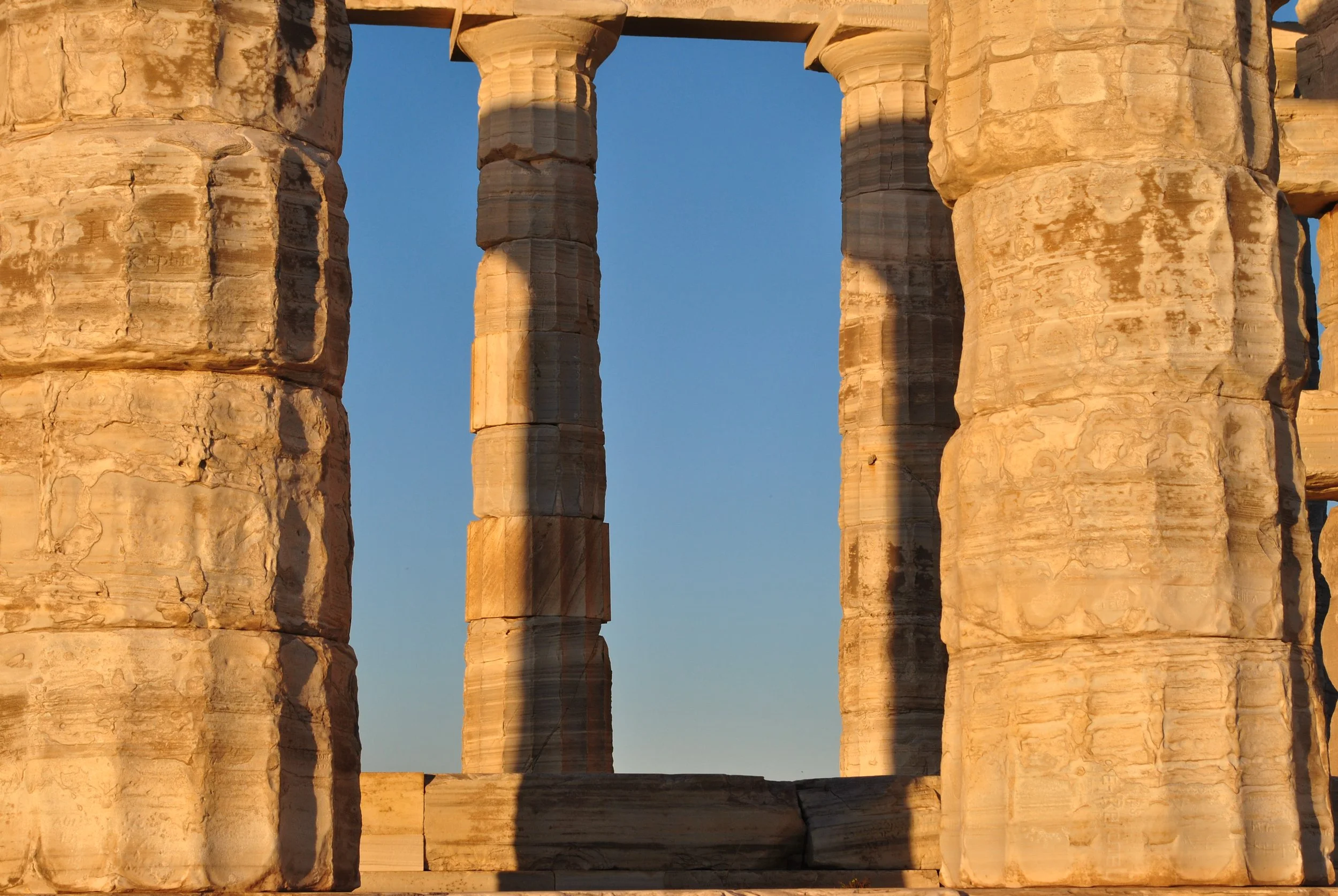
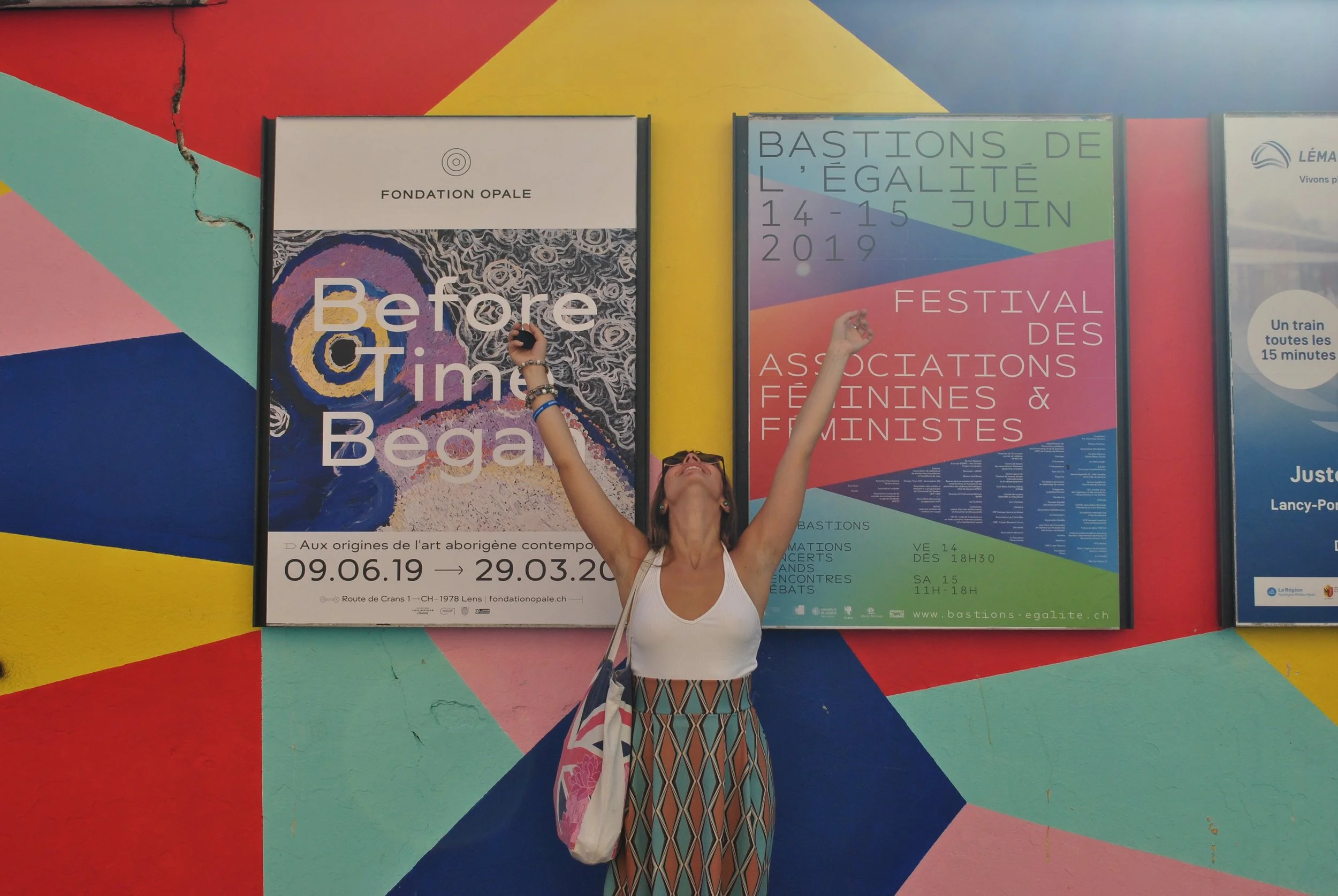
I learned more about life by backpacking for six months than I ever did in years of school.
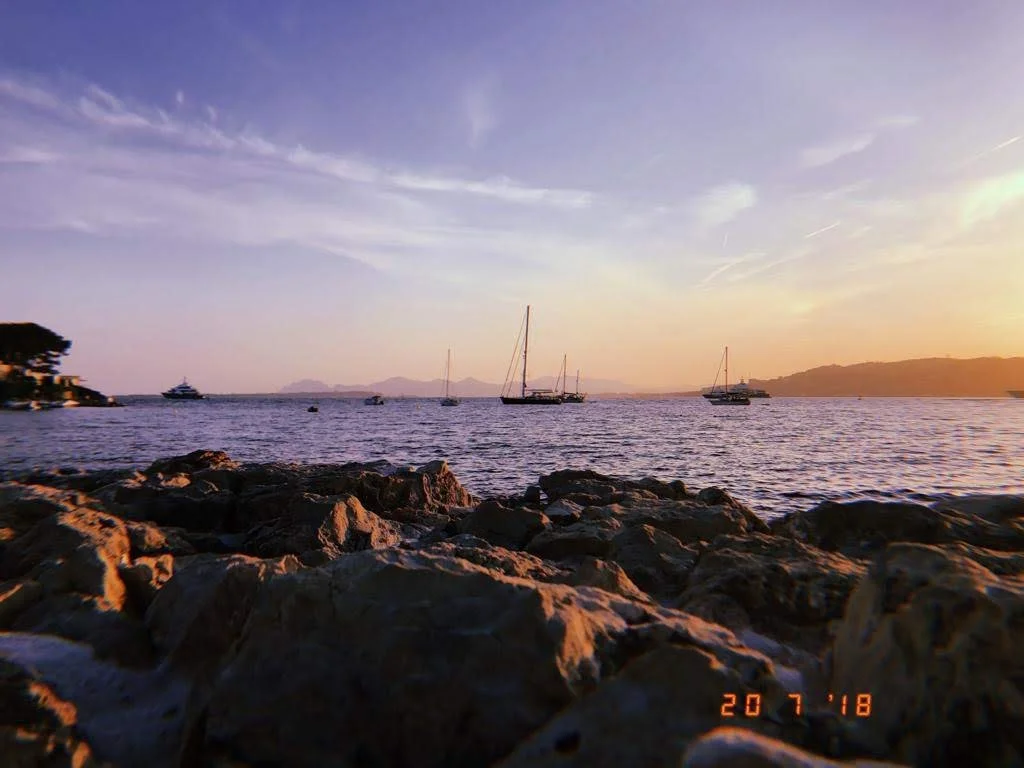
It all started with an offer to a 22-year-old me: “Work for six months for a language school in the most glamorous and fun place you can find through an Erasmus exchange.” That place was Antibes, on the French Riviera, during the best time of the year — spring and summer.
At the time, I was coping with a toxic relationship and my father’s death. With my confidence at its lowest, I saw this as a window of opportunity to break free. Before I left, I only knew the address of the place where I would be staying, had basic French, and a vague idea of what life in the South of France might look like.
My journey there? Around 14 hours on a Flixbus — the cheapest and longest way possible. I arrived exhausted, welcomed by rain and an unexpected steep hill to climb with a big suitcase. From day one, I struggled with the intensity of diversity — yet I felt deeply alive. My brain was in constant motion, stimulated nonstop by people and a completely new environment.
Soon enough, I began traveling solo around the region for short periods of time. I shared rides with strangers to reach new places, slept in hostels, and intentionally sought out spaces where I could meet other travelers. Each destination filled me with emotion and vitality. Every experience I chose felt like an experiment in trying a different life. I ate like the locals, spent time with them, and tried to live as they did. I learned that we can do the same things — but in entirely different ways.
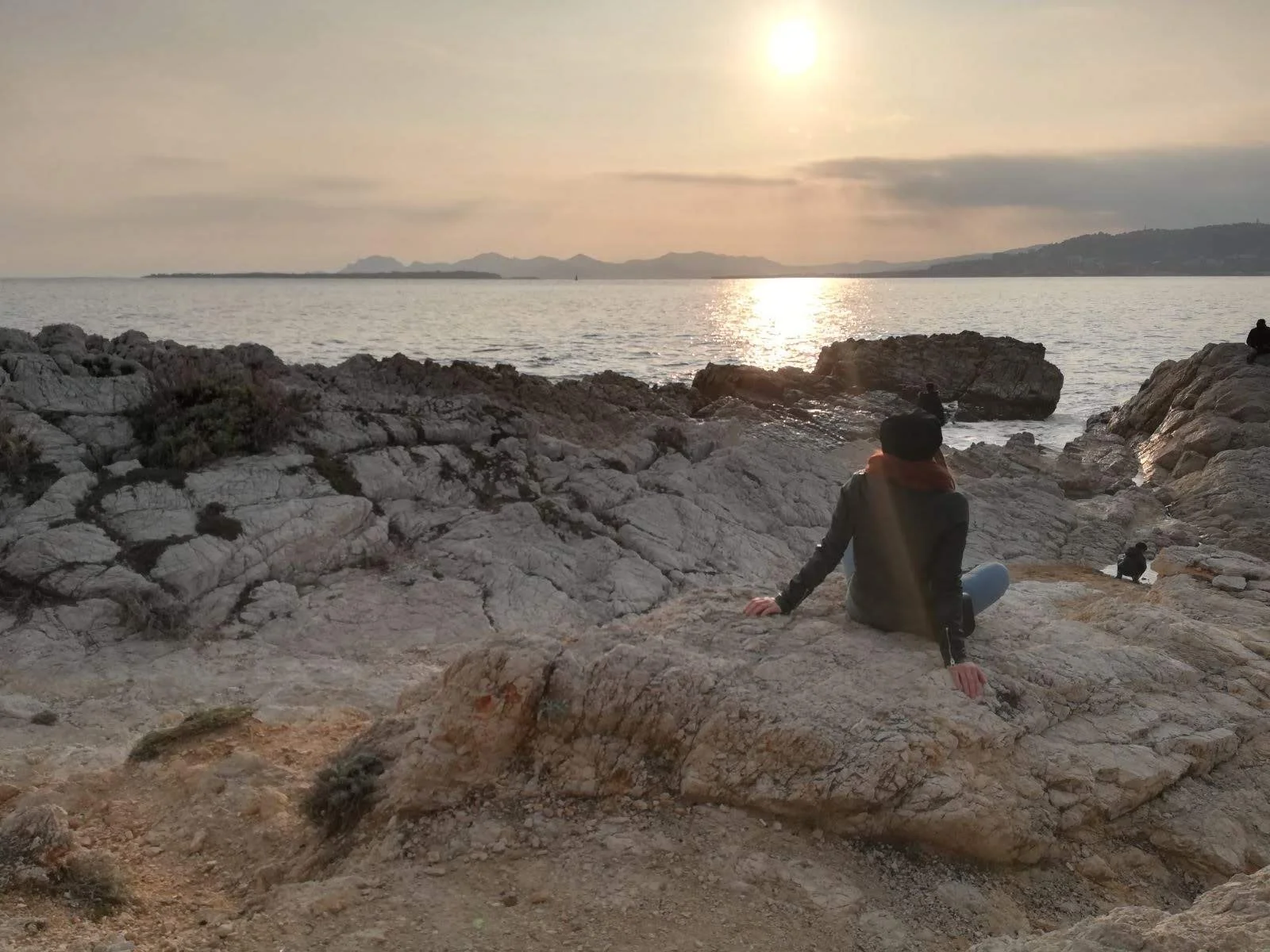
During those six months alone, I felt the excitement of the unknown — and then I slowly built a routine. I learned logistics, and then watched plans fall apart. I learned that everything can change, and that adaptation and creativity are essential. I began distinguishing what was truly essential from all the surrounding noise. Being alone at 4 a.m. in a bus station awakened my instincts and intuition. When a suspicious man approached me, I listened to that small inner voice. I became skilled at reading people and situations, learning when — and who — to trust. And, unexpectedly, I experienced a profound joy and a calm sense of contentment. I allowed myself to imagine, to dream, to daydream — often while watching the sea in constant motion.
I never feared moving to another country as much as I feared boredom and apathy. After France, many other long journeys followed. Each one revealed a different layer of myself — what I liked, what I rejected, my non-negotiables, and the quiet signals that told me when something was real. In every place, certain people entered my life at exactly the right moment, enriching my path with wisdom, love, and an unexpected lightness. Just as meaningfully, they also left — and learning to let go became one of the hardest lessons along the way.
Looking back, every step of my wandering contributed to my healing. I let go of emotional weight, loosened my attachment to material things, and learned to trust myself in unfamiliar terrain — both outside and within.
Saola Travel was born from this understanding. Travel, to me, is more than visiting places; it is a journey through the ego and across the Earth at the same time. It lives in the smell of a familiar dish far from home, in a language you don’t yet master, in a song that only exists in that place — and sometimes, in the person you meet along the way. Saola Travel moves slowly, like the saola itself — attentive, quiet, and fully alive — taking in every detail of the path.
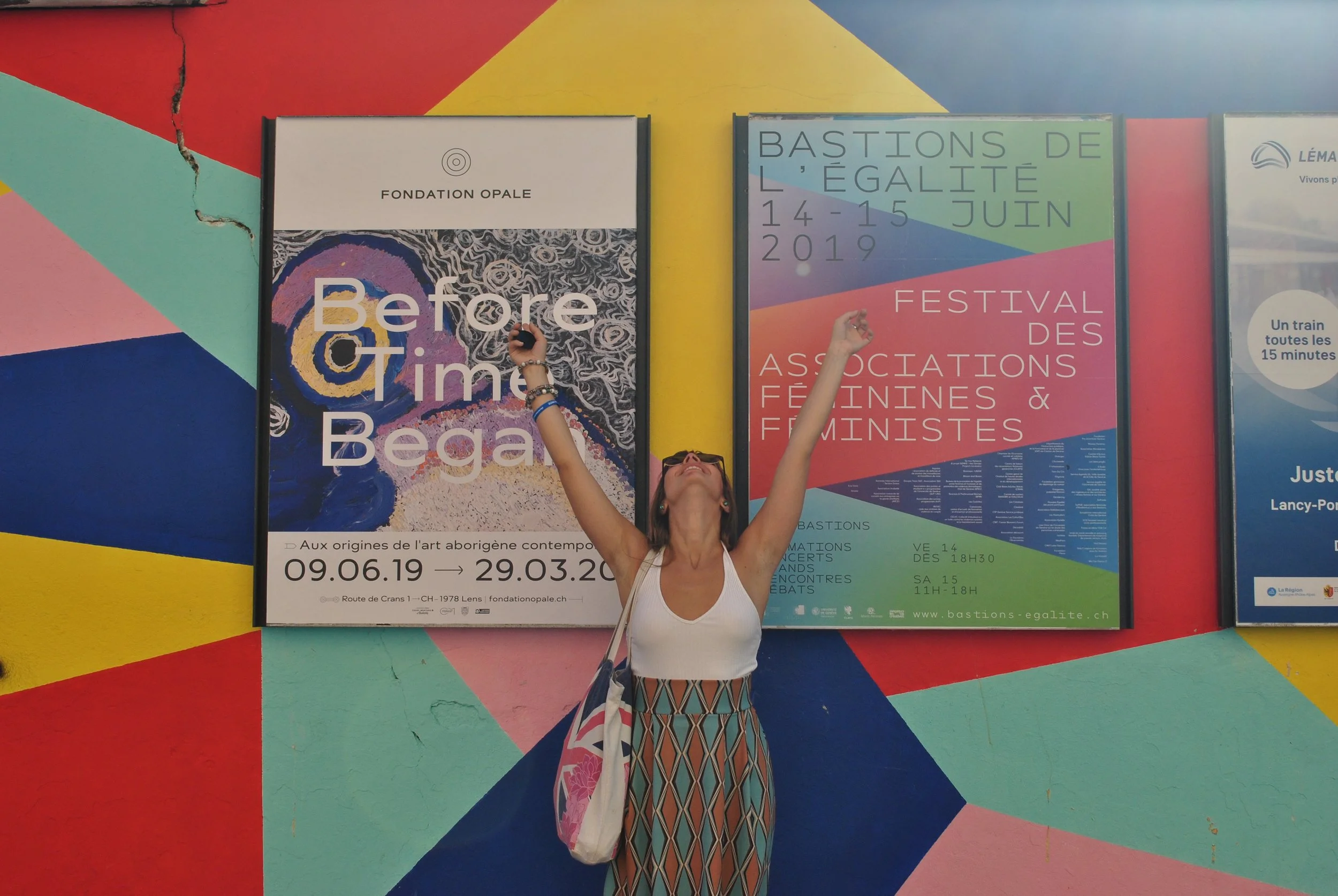
Geneva
Short Author’s Note
This piece marks the beginning of Saola Travel. It is not a guide to places, but to inner movement — to intuition, adaptation, and healing through travel. Some stories start with destinations; this one starts with becoming.
